

Sony Patents a Touchscreen Game Controller — What It Could Mean for the Future of Gaming
What’s in the Patent?
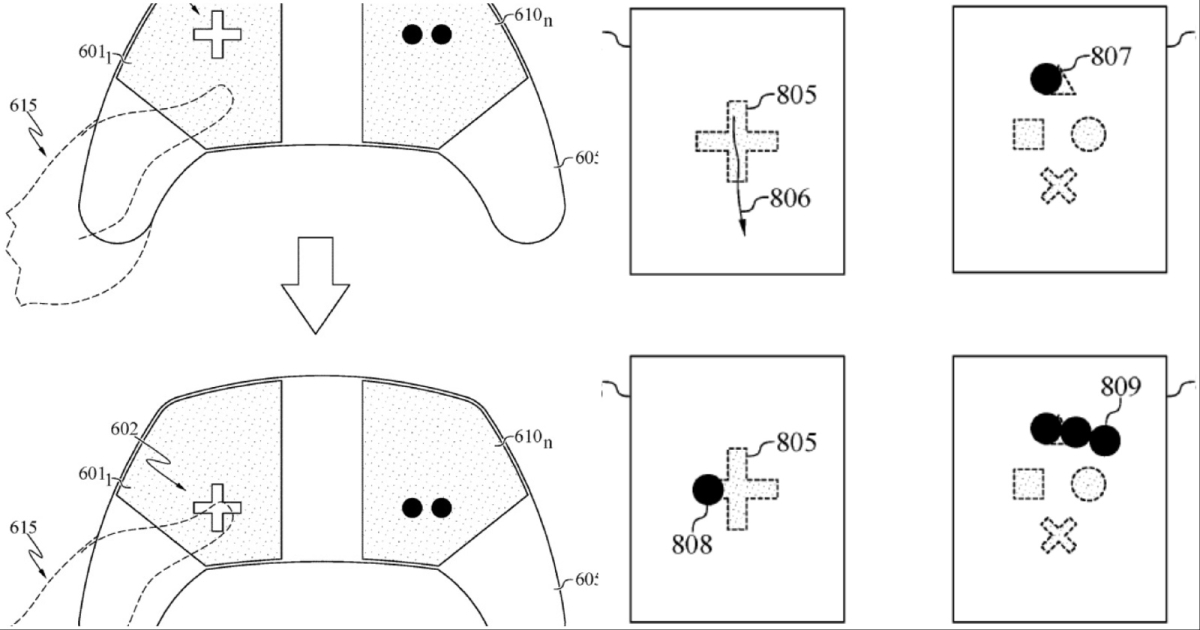
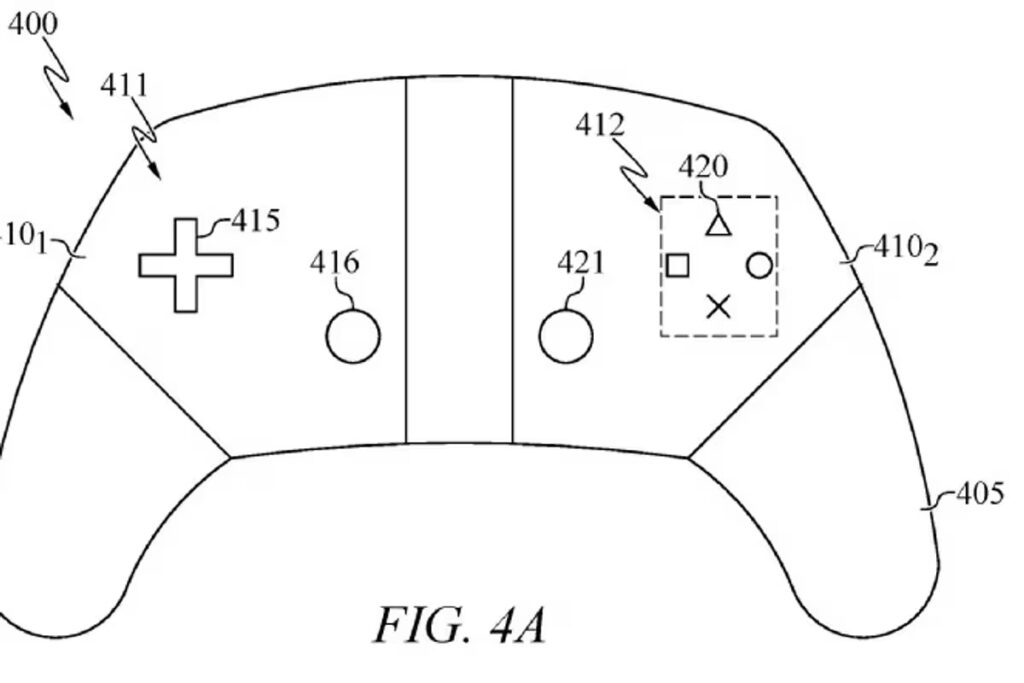
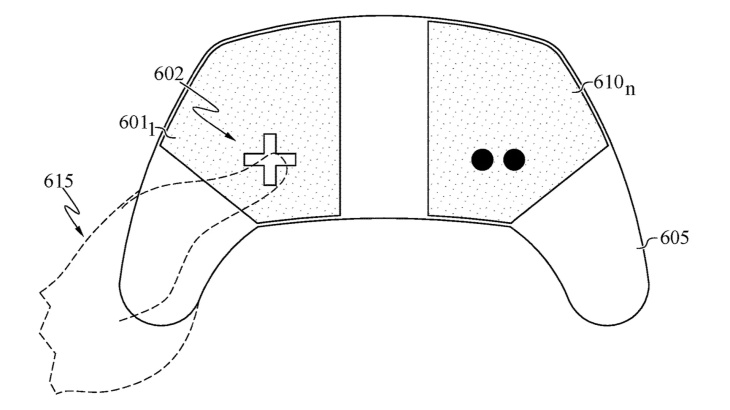
Sony recently secured a new patent for a touchscreen-based PlayStation controller that could redefine how players interact with games, at least on paper. The filing, granted in early 2026, describes a controller with large touch surfaces replacing many traditional physical buttons and sticks, letting users customise the layout, size, and placement of controls to fit their preferences or accessibility needs.
According to the patent details:
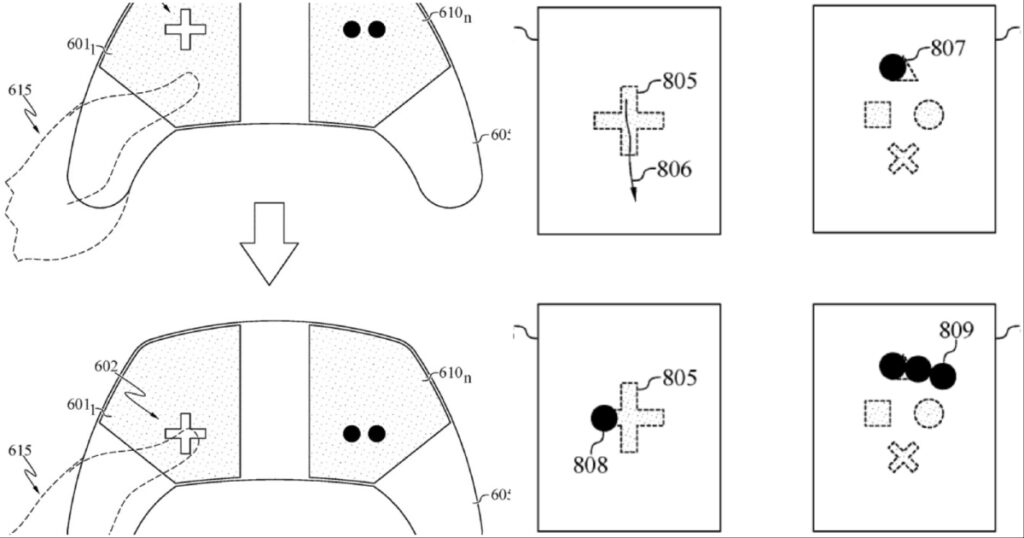
- The controller ditches fixed physical buttons in favor of touchscreen surfaces that can register taps, swipes, and pressure.
- Users might be able to rearrange, resize, or remove buttons and analog sticks depending on the game or personal comfort.
- Pressure and heat sensors are proposed to help the controller distinguish deliberate presses from accidental contact.
- The design explicitly references the need for more flexible control schemes that accommodate different hand sizes and accessibility needs.
The Upside: What This Could Bring
🎮 1. Personalised Comfort and Ergonomics
Traditional controller layouts are a one-size-fits-most solution — and for many players, they simply don’t fit their hands. A touchscreen layout could allow users to place buttons where they’re most comfortable, theoretically reducing strain on long sessions.
♿ 2. Better Accessibility
Perhaps one of the strongest potential benefits is for gamers with limited mobility. Customising button placement or even creating simpler interfaces for specific games might help players who struggle with fixed layouts. This echoes Sony’s broader recent focus on accessibility in hardware and software.
🧠 3. A Peek Into Future Innovation
Even if this exact controller never ships, patents often reflect where a company’s R&D is headed. Sony’s touchscreen idea suggests a push toward adaptive, context-aware input systems, complementing haptics and adaptive triggers that have already been defining features of recent PlayStation controllers.
The Downside: Real-World Risks and Skepticism
❌ 1. Lack of Tactile Feedback
This is the big one. Physical buttons and sticks aren’t just tradition; they’re precision tools. Without tactile feedback, it’s easy to mispress moves or lose muscle memory in intense moments, which could frustrate competitive players and make fast inputs harder.
🤔 2. Accidental Inputs and Control Ambiguity
Even with pressure or heat sensors, touchscreen controllers have a legacy of accidental touches causing unintended actions — in both gaming history and touch-based systems like smartphones or console pad touchpads. Sony’s patent acknowledges this challenge, but doesn’t promise a full solution.
💭 3. Patent ≠ Product
This is a big one for any gaming industry insider: Sony patents a lot of ideas, and most never become real products. From self-censorship tools to AI assistants and dynamic gameplay prediction systems, many patents sit on a shelf waiting for their moment — and some never get that moment.
That means while this patent gives us a fascinating glimpse of what might be possible, it’s not a guarantee that this touchscreen controller will ever be sold in stores, released alongside a PlayStation 6, or even prototyped beyond concept. It could simply be a defensive IP play — or a way to reserve space for future experimentation.
What This Means for the Gaming Community
For events, esports, and content creators — including communities like ours at Avatar State Gaming — Sony’s patent is a signal that input design is still evolving, and accessibility conversations are gaining traction. But it’s also a reminder to temper hype: patent hype ≠ product reality.
Sony may be planting seeds to protect ideas or explore future tech, but until we see hardware in hand, it’s all speculation. Still, this kind of innovation — whether it becomes mainstream or inspires others — keeps the conversation around controller design fresh, and could influence peripherals far beyond PlayStation.